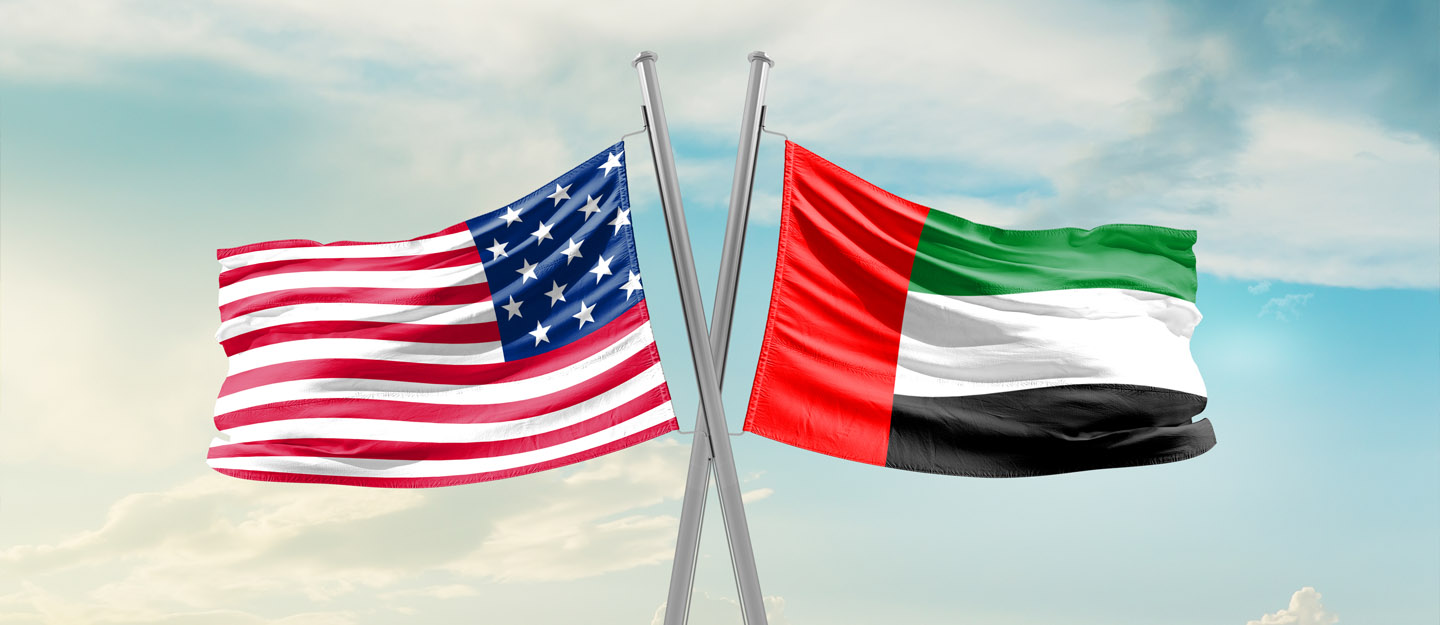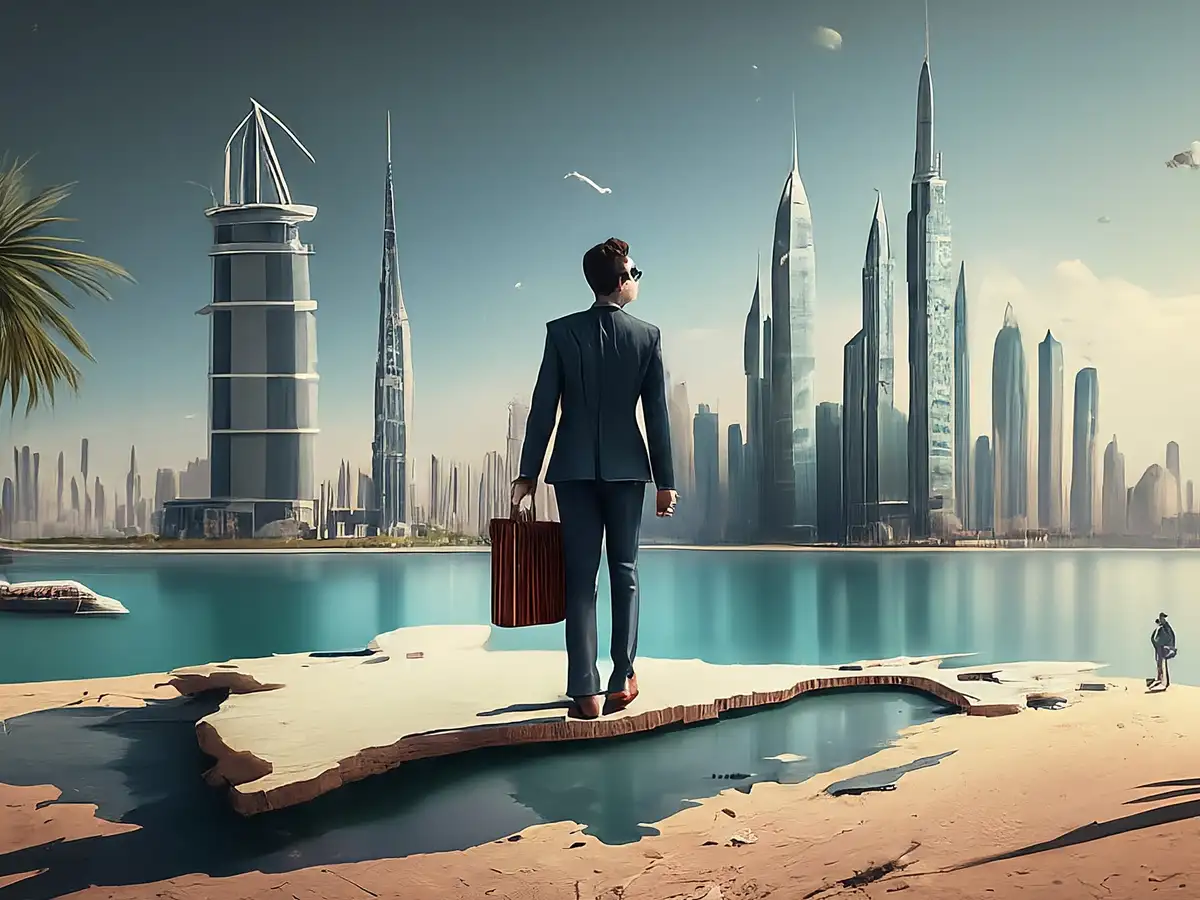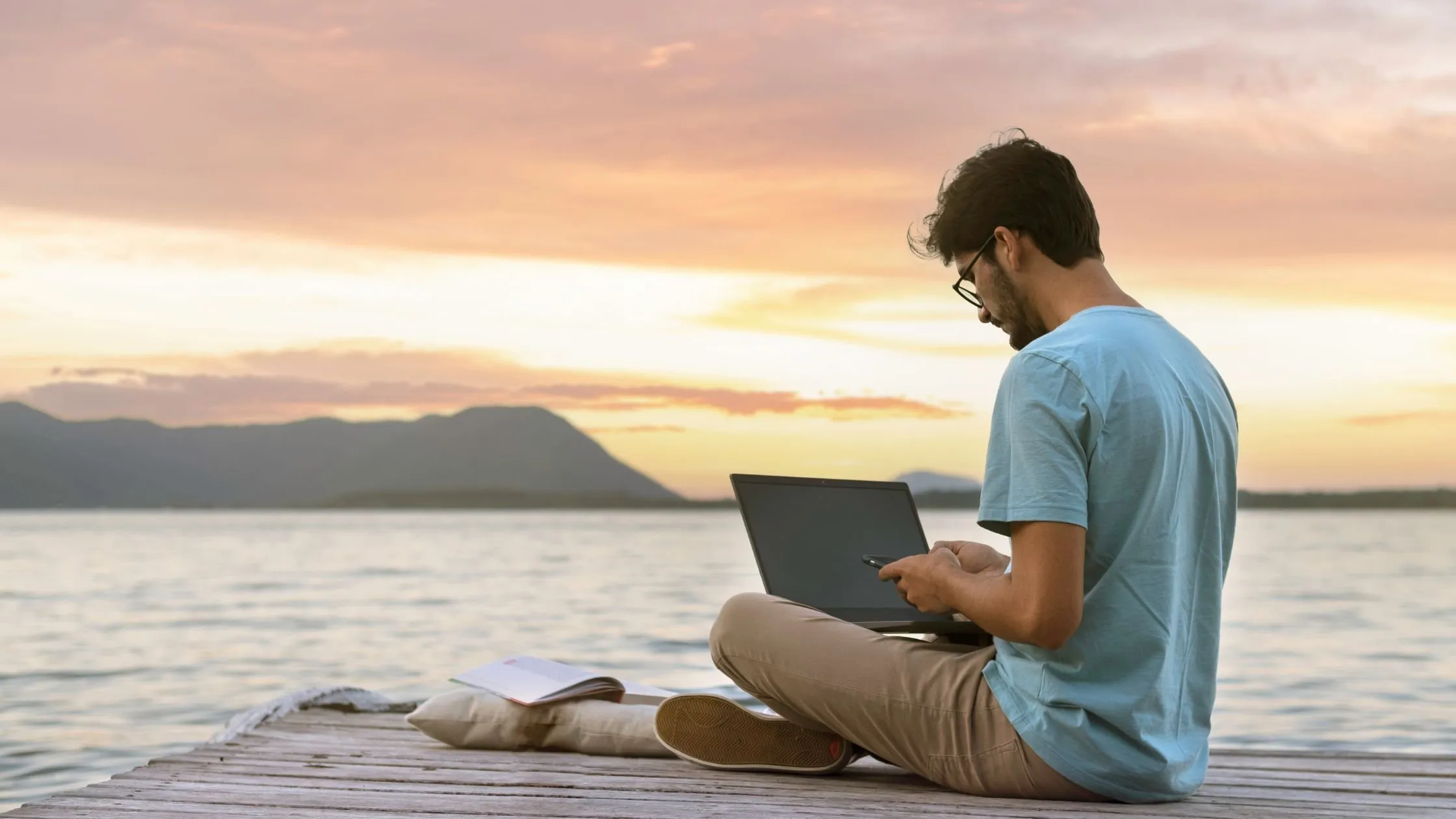
In the last few years, a remarkable shift has taken place in the global digital nomad landscape. A growing number of professionals who once lived, worked, and built businesses in Germany are now choosing to relocate to Dubai. This trend is not random. It has deep roots in economic realities, lifestyle preferences, regulatory environments, and evolving career priorities. To understand this shift, we have to look beyond headlines and dig into the lived experience of digital nomads, entrepreneurs, remote workers, and freelancers who are making this transition.
This article explores the key reasons behind this migration, contrasting life in Germany with life in Dubai from the perspective of remote professionals. It examines economic opportunities, freedom in work flexibility, taxation, quality of life, cultural dynamics, safety, connectivity, travel, community, and future potential. By the end, you will see why Dubai has become one of the most compelling destinations for digital nomads leaving Germany.
1. The Cost of Living and Financial Freedom
One of the first reasons many digital nomads in Germany begin to look elsewhere is the cost of living paired with high taxation.
Germany is known for its strong social safety net, public services, and quality of life. However, these benefits come at a significant cost. Taxes on income, insurance, and pensions are high. For digital nomads whose income is variable or who operate through freelance or consulting structures, these taxes can dramatically shrink take-home earnings.
Dubai, on the other hand, offers a tax-friendly environment. There is no personal income tax. For self-employed professionals, this means a much higher percentage of earnings stays in their pocket. Even with the introduction of a corporate tax in recent years, individual income remains tax-free. For digital nomads who value financial freedom and want to maximize savings, this difference can be transformative.
Many nomads report that the ability to keep more of what they earn allows them not only to save more but also to invest in tools, education, and business growth. In Germany, a freelancer earning a solid monthly income may feel constrained by tax obligations. In Dubai, that same income feels more empowering.
2. Business Flexibility and Entrepreneurial Environment
Germany has a reputation for order, regulation, and stability. While these qualities are beneficial in many spheres, they can be overwhelming for independent professionals and entrepreneurs. Registering a business, understanding legal requirements, and navigating bureaucratic processes often takes time, patience, and expertise. For nomads who value agility, this can feel restrictive.
In contrast, Dubai has been making a concerted effort to become a hub for entrepreneurs. The rise of free zones offering 100 percent foreign ownership, simplified company registration, and flexible business operations has made it easier for digital nomads to start and scale their ventures. Free zones such as Dubai Internet City, Dubai Media City, and more recently multiple freelancer-friendly licenses have made the UAE a strong choice for independent talent.
For digital nomads who want more than just remote work — those who want to build a consultancy, agency, or scalable tech business — Dubai presents a landscape that feels more welcoming and less encumbered by red tape. Many migrant professionals report that actions that took weeks or months in Germany (like setting up a business account or securing legal paperwork) take a fraction of the time in Dubai with the right support.
3. Tax Residency and Wealth Retention
Closely tied to the cost of living is the concept of tax residency. In Germany, tax residency is based on physical presence and broader regulatory definitions. Digital nomads with sporadic work patterns can find themselves entangled in unclear or unfavourable tax situations, especially if they travel between countries frequently.
Dubai’s residency system is straightforward: if you live in the UAE with a valid visa and meet the relevant conditions, you establish residency. For digital nomads who plan to live there for part of the year or maintain strong ties, this clarity is valuable.
Beyond clarity, there is the issue of wealth retention. In Germany, savings and investment returns are subject to various tax obligations. In Dubai, the absence of personal income tax creates a stronger incentive to retain profit, reinvest it, and build generational wealth. This is a significant draw for digital nomads thinking long-term.
4. Work-Life Blend and Quality of Life
Quality of life is subjective, but a clear pattern emerges when comparing life as a digital nomad in Germany versus Dubai.
In Germany, life is structured, predictable, and safe. Cities like Berlin, Frankfurt, and Munich offer excellent public services, cultural richness, and community. However, winters are long and grey. Social norms can be formal. For many nomads, the climate in Germany feels restrictive after a period of travel or remote work in warmer regions.
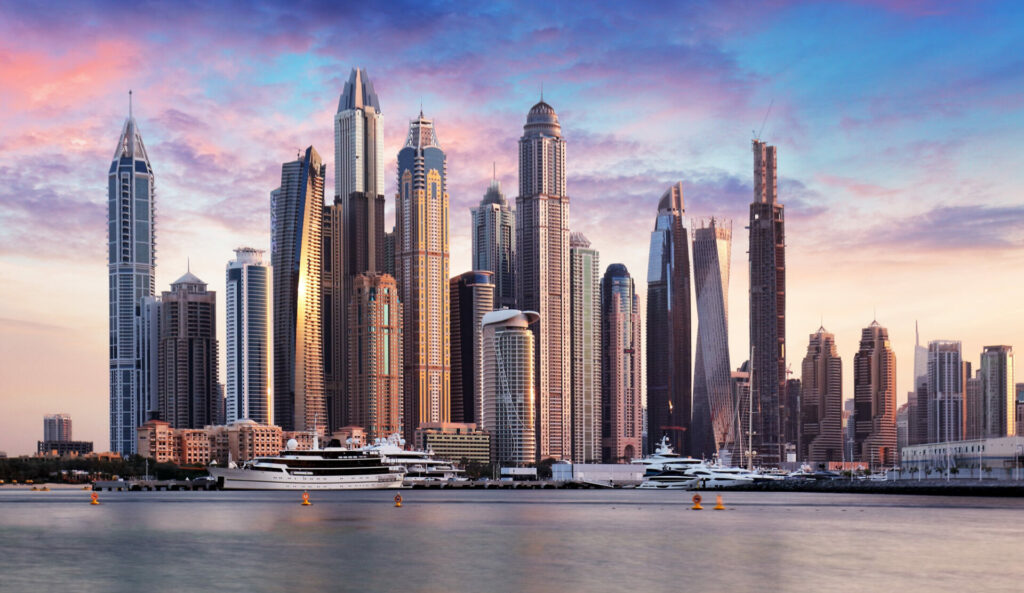
Dubai, on the other hand, boasts year-round sunshine, outdoor living, and a lifestyle that blends work and leisure more naturally. Imagine finishing a client call and heading to the beach, or planning weekend trips to desert oases, Oman’s mountains, or island retreats without climatic constraints.
This environment can be especially appealing to nomads who have spent years navigating European weather cycles. Many also mention that the Dubai lifestyle feels more open, faster-paced, and aligned with global business practices compared with the traditional and sometimes rigid systems they experienced in Germany.
5. Safety, Security, and Cleanliness
Safety is a practical concern for anyone choosing where to live. Germany is generally safe, ranking highly on global safety indexes. However, certain urban areas experience petty crime, and cultural attitudes toward public behaviour can feel strict or tense for some expatriates.
Dubai is widely regarded as one of the safest cities in the world. Street safety, low crime rates, and efficient public administration contribute to a sense of security that many digital nomads find reassuring. For single entrepreneurs, remote workers who travel frequently, or families looking for a safe base, this environment is a major draw.
Clean public spaces, strict governance, and a visible emphasis on law and order create an environment where professionals feel secure moving around at all hours, using public spaces, and working from outdoor locations or shared coworking spaces.
6. Connectivity and Global Mobility
One of the most important practical considerations for digital nomads is connectivity — not just internet speed, but ease of travel and global access.
Germany sits in the heart of Europe, which makes travel easy within the continent. However, immigration procedures and Schengen regulations can be complicated for non-EU citizens. For digital nomads who are not EU citizens, visas, work permits, and residency requirements can feel burdensome.
Dubai, by contrast, has increasingly positioned itself as an air travel hub. Flights connect the city to Asia, Europe, Africa, and the Americas with relative ease. Nomads can base themselves in Dubai and easily travel to client meetings, conferences, or networking events around the world without the passport restrictions that might limit them in Europe.
Additionally, Dubai continues to expand digital nomad-friendly visa programs, allowing remote workers to live in the city while working for companies abroad. This level of mobility and global access is hard to beat.
7. Community and Networking Opportunities
A digital nomad’s network is one of their greatest assets. Countries like Germany have strong local communities, but many remote workers find these groups geographically fragmented or formal in their networking approach. Social and professional communities exist, but they often revolve around specific interest groups rather than broad digital nomad ecosystems.
Dubai has become a melting pot of international professionals. Entrepreneurs, remote workers, consultants, investors, and creatives from around the world gather here. Dubai’s coworking space scene is vibrant, with places like AstroLabs, NEST, Impact Hub, and others hosting regular meetups, workshops, and collaborations.
This means that a digital nomad can walk into a coworking space and meet professionals from five continents, all working on different projects and open to collaboration. This diversity not only broadens business opportunities but also enriches personal and professional growth in ways that many nomads find harder to replicate in Germany.
8. Business Culture and Global Orientation
The business culture in Germany is methodical, punctual, and deeply rooted in tradition. While these are strengths in many contexts, some digital nomads find them rigid — emphasizing structure over experimentation, hierarchy over flexibility, and local business norms over global agility.
Dubai’s business culture, by contrast, is internationally oriented. Leaders from technology, finance, hospitality, and innovation sectors bring global practices into daily work. English is widely used in business settings. There is an emphasis on networking, rapid execution, and cross-border opportunities.
For many nomads who thrive on experimentation, fast learning, and global client bases, this culture aligns more naturally with their professional identity. They don’t feel confined by local norms but instead feel supported by an ecosystem that encourages international business.
9. Climate, Lifestyle, and Personal Well-Being
Lifestyle factors are real drivers of relocation decisions. Germany’s climate, particularly in the north and east, includes long winters, limited daylight in certain seasons, and frequent rain. While cities like Munich and Freiburg offer beautiful surroundings, the weather can still feel restrictive if one prefers outdoor living.
Dubai’s climate is hot for much of the year, but for many nomads this means consistent outdoor living, beach days, and an active lifestyle. Many relocated professionals invest in fitness, water sports, desert excursions, and travel within the region because the weather supports it.
The lifestyle in Dubai also aligns with flexibility: late lunches, global food options, cultural diversity, and social opportunities that reflect a cosmopolitan population. This appeals to nomads who are accustomed to international living and value variety and social mobility.
10. Education, Facilities, and Infrastructure
For nomads with families or those planning longer stays, infrastructure matters. Germany’s schools, healthcare system, and public services are strong, but they can be bureaucratic and complex for newcomers to navigate. Waiting lists for services, language barriers, and formal procedures may slow adaptation.
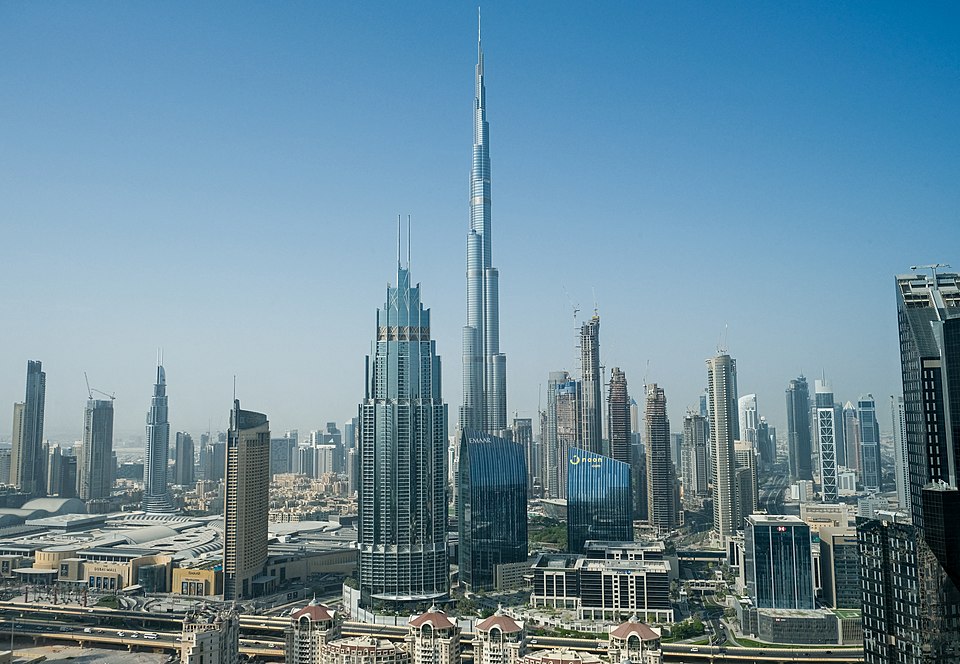
Dubai has invested heavily in world-class infrastructure: international schools, private healthcare, efficient urban transit, and modern facilities. For professionals relocating from abroad, this infrastructure feels familiar, accessible, and easy to adapt to quickly. Many find it easier to settle in Dubai without facing the language and administrative barriers that can arise in Germany.
11. Strategic Location for Business Growth
Geographically and economically, Dubai sits at a crossroads between Asia, Europe, and Africa. This makes it a strategic base for digital nomads who run online businesses, consulting practices, or global projects.
Being in Dubai allows professionals to position themselves closer to emerging markets, regional partners, and investment networks that are difficult to access from Germany without extensive travel and regulatory planning.
For digital nomads thinking about scaling their businesses, tapping into MENA markets, or establishing regional partnerships, Dubai offers a strategic advantage that Germany simply cannot match in terms of global business access.
12. Freedom and Personal Choice
Ultimately, the reason many digital nomads are leaving Germany and heading to Dubai comes down to freedom and choice. Digital nomadism is not just a work style; it’s a life philosophy. It prioritizes flexibility, autonomy, global orientation, financial control, and meaningful experiences.
While Germany is a wonderful country with many advantages, it represents stability and structure — two things that many nomads appreciate but do not want to define their professional identity.
Dubai, by contrast, feels like a place designed for reinvention.
It welcomes difference, it supports global ambition, and it rewards initiative.
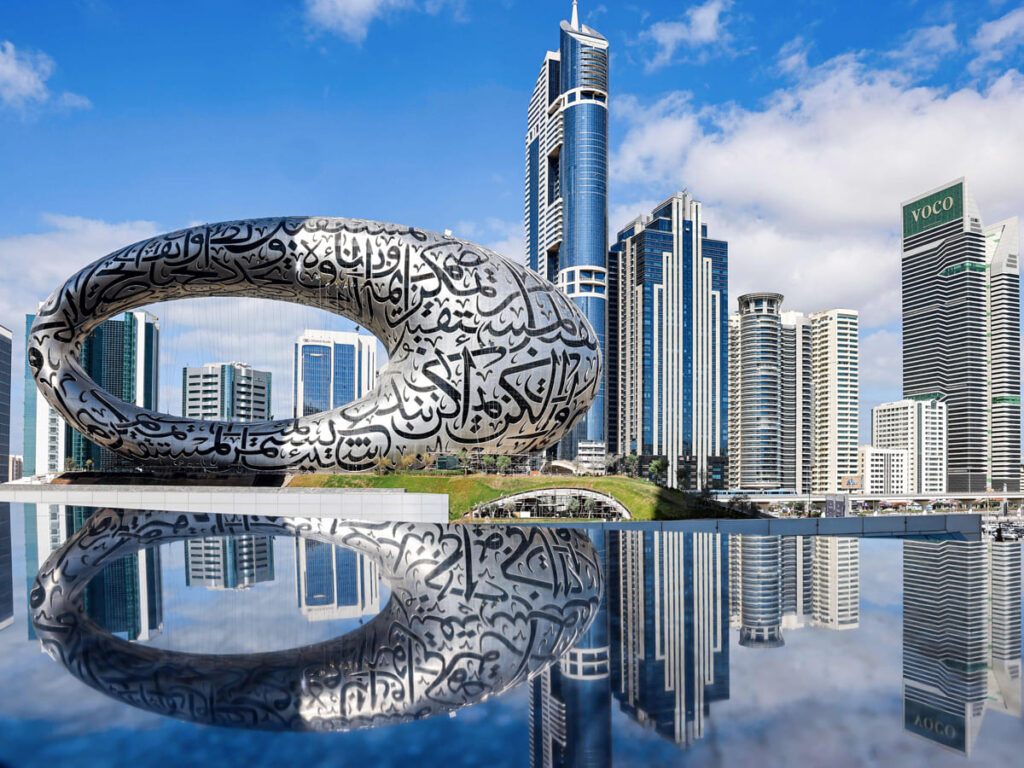
For digital nomads who want to live life on their own terms, Dubai feels like less of a destination and more of a launchpad.
Conclusion
The migration of digital nomads from Germany to Dubai is not a fleeting trend. It reflects deeper shifts in how professionals value work, life, financial independence, and global opportunity. Germany will always remain a strong destination for stable careers and structured life. But for people whose work is global by nature, whose income is digital, and whose goals are ambitious, Dubai offers an ecosystem that feels more aligned with their aspirations.
From lower taxes to easier business setup, from sunny skies to vibrant communities, from global connectivity to strategic geography, the reasons are practical, not emotional. They are rooted in choice and in a desire for freedom: freedom to work, to earn, to grow, and to explore.
For digital nomads looking for not just a place to live, but a place to thrive, Dubai has become more than an option. It has become a destination of purpose.